UNC Pembroke to grow next generation of agricultural leaders with new degree
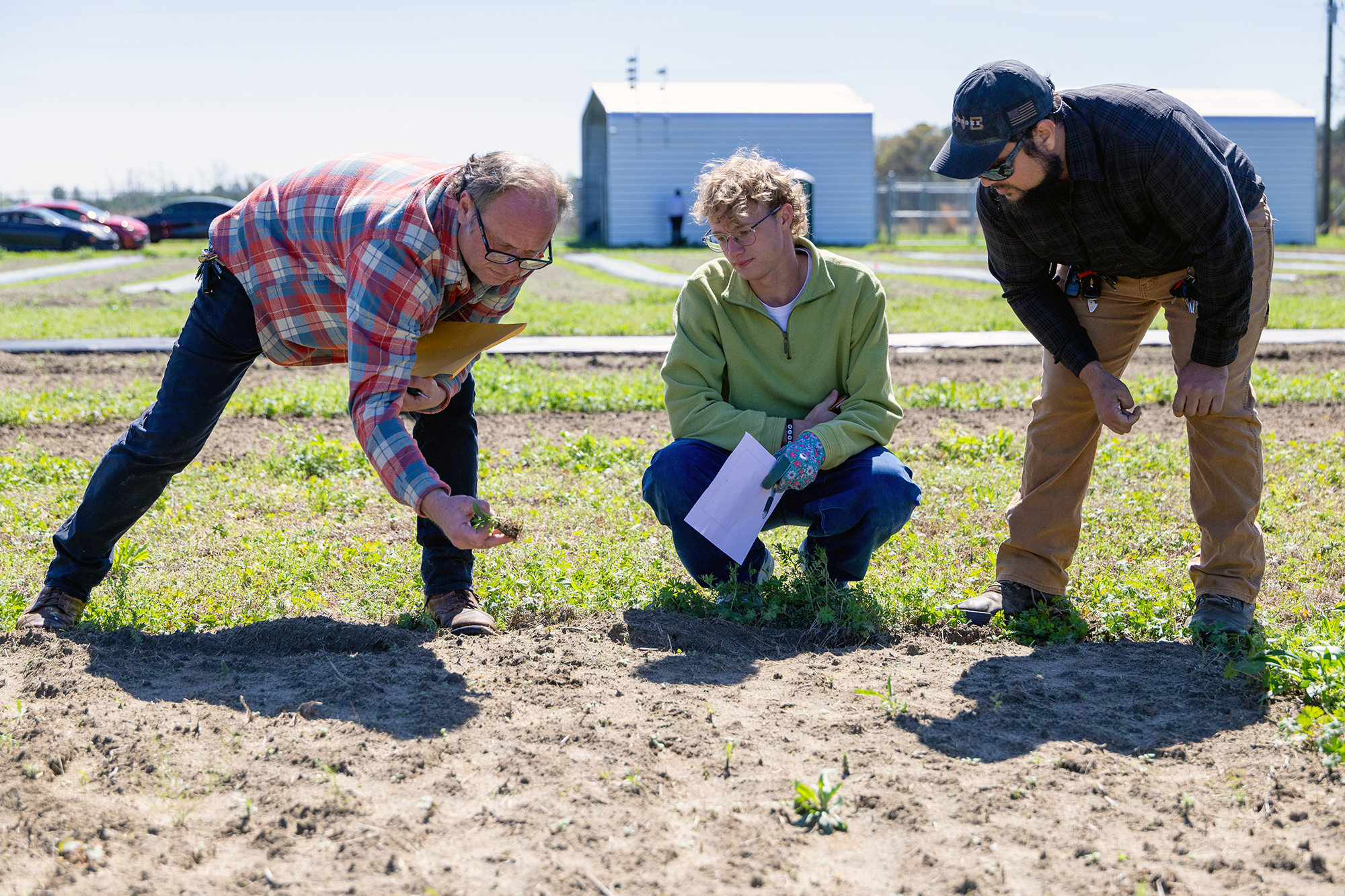
Across southeastern North Carolina, the rhythm of farming hasn't changed — seeds in the ground, long days in the field, a season's worth of hope riding on what comes next. What is changing is the industry's future.
Beginning in fall 2026, UNC Pembroke will offer a new Bachelor of Science in Agriculture — a program designed to prepare students to lead the future of farming while strengthening one of the region's most vital economic engines.
The new major expands UNCP's existing agriculture concentration into a standalone degree, reflecting years of steady growth in agriculture and animal science on campus and increasing demand for trained professionals across southeastern North Carolina.
Students in the program will combine classroom learning with laboratory work, field experiences and internships, gaining practical experience while studying subjects ranging from crop and soil science to animal health and livestock management.
“Agriculture continues to be a leading industry not only in southeastern North Carolina but across the state,” said Dr. Jeffrey Beasley, the Marion F. Bass Endowed Professor of Agriculture. “It's exciting to see UNCP expand its offerings in a way that connects our students directly to that industry and prepares a local pool of educated professionals who can help keep agriculture strong and eventually step into leadership roles.”
Students can tailor their coursework around animals, crops, horticulture or a combination of those areas. The curriculum blends scientific training with hands-on learning, giving students opportunities to work directly with farms, producers and agriculture organizations across the region.
For student Joseph Bruscino, those real-world experiences are what set the program apart.
“Getting to work in the field has been the most valuable part of my education," Bruscino said. “This degree will open real doors for students like me.”
The program was designed in direct response to growing student interest and workforce needs in the agriculture industry.
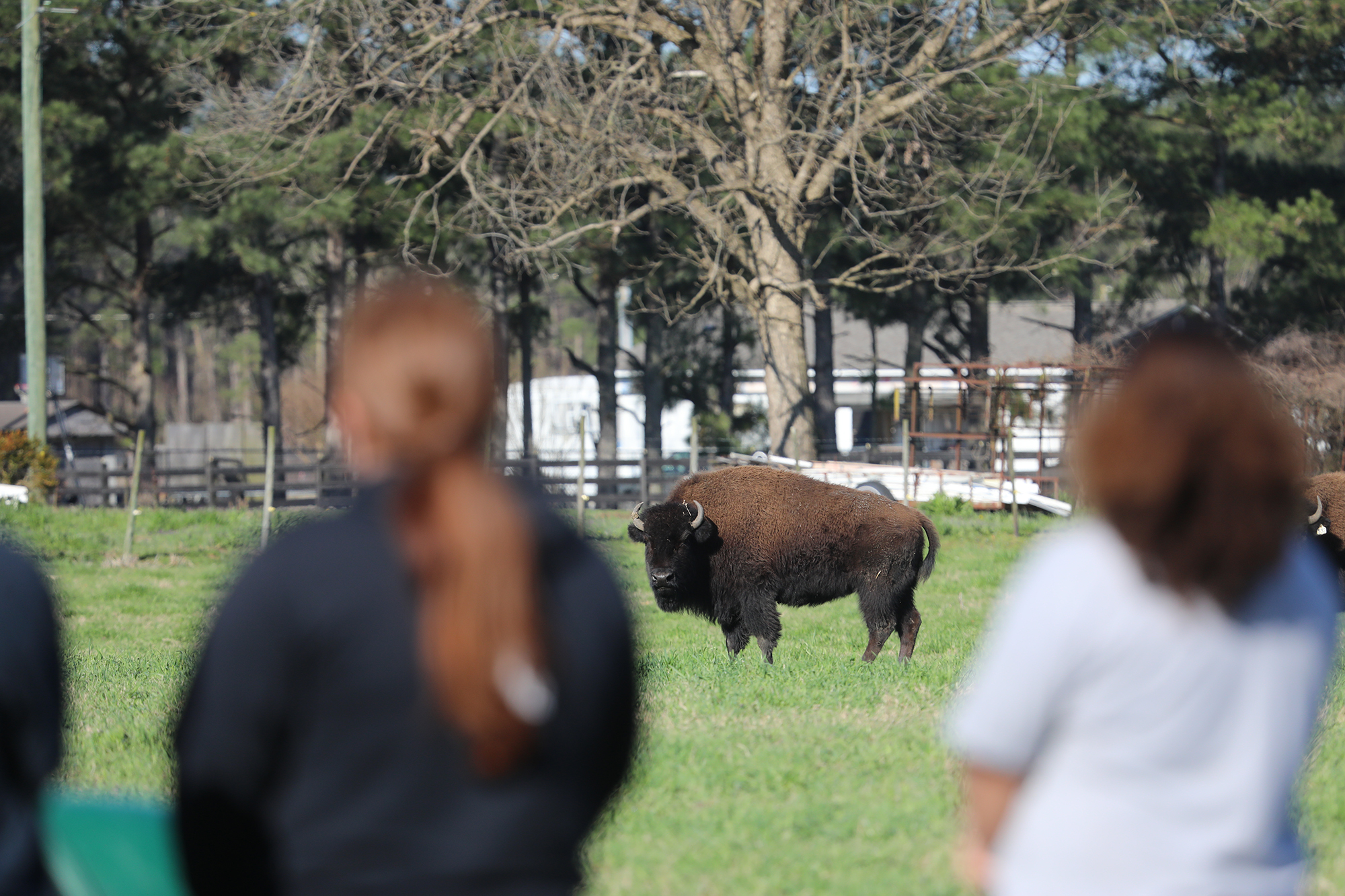
“We saw real demand from students who wanted deeper training in agriculture and livestock,” said Dr. Nicolas Negrin Periera, assistant professor of animal science. “This degree gives them the scientific foundation and hands-on experience they were asking for.”
Negrin Periera helped develop the animal science core of the program, which includes courses such as Introduction to Animal Science, Animal Nutrition and Animal Physiology of Reproduction. An additional course in Animal Health and Disease is currently in development.
Students will also have opportunities to work alongside faculty on research projects hosted by local producers and regional partners, including NC State Extension, cattle breeders' associations and researchers at the University of North Carolina at Chapel Hill. From designing experiments to collecting field data, students will gain firsthand experience addressing real agricultural challenges.
“This degree is a significant milestone for our department and a meaningful reflection of who we are as a university,” said Dr. Velinda Locklear Woriax, chair of Biology. “It honors the deep agricultural roots of our region while positioning UNCP to play a leading role in shaping the future of agriculture across southeastern North Carolina and the state.
“Agriculture today is not what it was a generation ago,” Woriax said. “We're preparing students to meet the demands of a rapidly evolving industry, equipping them with the knowledge, skills and adaptability they'll need to lead in a changing world.”
Eddie Moore knows that reality well. He and his brother, Luther, have farmed nearly 2,000 acres raising cattle and growing corn, soybeans, oats and hay in Robeson County for almost 40 years, building on lessons they learned growing up on their father's farm.
“Farming will humble you,” Moore said. “You plant, you tend, you harvest — and then you try to make it all add up. That last part can be the hardest. You don't control the weather, you don't always control your yield, and some years it gives more than you ever expected. Other years, it takes.”
Moore said partnerships with UNCP are helping bridge the gap between the field and the classroom.
“Farmers haven't always done a good job telling our story,” he said. “When students come out here, they see what it really takes. They're learning, and we're learning from them, too. That's a good thing for all of us.”
Within UNCP Biology, the new major also strengthens UNCP's growing role as a regional hub for research in sustainable agriculture, pollinator health and community partnerships.
“This degree is a major step forward from our previous offerings,” said Dr. Kaitlin Campbell, associate professor and assistant chair of biology. “It allows us to focus on the practical skills students need while immersing them in real-world learning, whether that's in the lab, in the field or working alongside local farms.”
Campbell teaches entomology and pest management, both core courses in the new major, as well as an elective in beekeeping. Her classes include service-learning and Indigenous cultures and communities designations, connecting students with local growers and tribal partners.
Students conduct insect surveys on Native American–owned farms, contribute to a long-term biodiversity study at the Lumbee Tribe Cultural Center and install twig-nesting bee houses across campus to support native pollinators.
Dr. Bryan Sales, associate professor and director of the Biology and Agriculture Program, said the new degree creates a clear pathway for students to enter one of North Carolina's most vital industries.
“We're focused on providing affordable, accessible education, especially for first-generation students,” Sales said. “Our program connects students to real-world experiences and the opportunities agriculture offers across North Carolina.”
Campbell said many students entering the program already bring deep personal connections to agriculture through their families and communities.
“We're here to help them build on those roots and prepare for the future,” Campbell said.